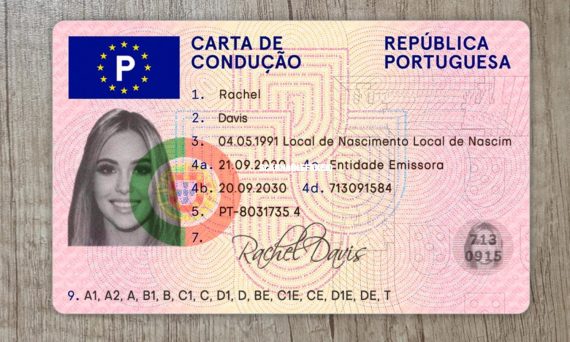
Understanding the Driving License Process: A Comprehensive Guide
Navigating the process of obtaining a driving license can be a challenging experience for numerous people. Whether one is a first-time candidate or a seasoned driver transferring to a new state or nation, comprehending the steps involved in acquiring a driving license is important. This article intends to elucidate the driving license process, describe the essential steps included, and offer valuable insights along the way.
The Importance of a Driving License
A driving license is more than just a piece of plastic. It serves a number of important functions, including:
- Proof of Identity: A driving license frequently serves as an official type of identification, useful for various situations such as travel and banking.
- Legal Authorization to Drive: A driving license validates that a person has passed the necessary tests to run an automobile securely.
- Compliance with the Law: Driving without a license is prohibited in the majority of jurisdictions, leading to fines and legal consequences.
- Insurance and Liability: Most insurance business need a valid driving license to issue a policy, safeguarding both the motorist and others on the roadway.
Steps Involved in Obtaining a Driving License
Acquiring a driving license usually involves numerous essential steps. While the specifics may differ based upon area, the following is a general overview of the process:
1. Understanding the Requirements
Before an individual starts the driving license application process, they need to understand the requirements set forth by their local Department of Motor Vehicles (DMV) or equivalent authority. Common requirements include:
- Minimum Age: Most areas need candidates to be a minimum of 16 years old, though this can differ.
- Proof of Identity: Identification documents such as a birth certificate or passport are normally needed.
- Residency: Applicants need to typically show proof of residency in the location where they are using.
2. Take a Driver Education Course (if needed)
In lots of places, especially for teenagers, a motorist education course is needed. These courses usually include both classroom guideline and behind-the-wheel training, covering:
- Driving laws and regulations
- Safe driving practices
- Protective driving strategies
Conclusion of such a program may be necessary before making an application for a student's permit or a full driving license.
3. Get a Learner's Permit
Many jurisdictions need brand-new chauffeurs to first acquire a student's permit. Simulador De Prova De Condução allows individuals to practice driving under certain conditions, generally with a certified adult in the guest seat.
To acquire a learner's license, applicants usually need to:
- Pass a composed knowledge test covering traffic laws and indications.
- Supply the required documents, such as proof of identity, residency, and conclusion of a driver education course (if appropriate).
4. Practice Driving
Once the learner's permit is acquired, the candidate can start practicing driving. States might have specific requirements, such as:
- Minimum variety of practice hours (e.g., 50 hours with 10 hours in the evening).
- Following constraints on driving alone or throughout particular times.
5. Set up and Take the Driving Test
After meeting the practice requirements, the next step is to arrange and take the driving skills test. The driving test examines both understanding and practical skills in real-world driving circumstances, consisting of:
- Parallel parking
- Lane modifications
- Obeying traffic indications and signals
- Managing crossways and highway driving
6. Pay the Fees
Once the driving test is effectively finished, applicants will generally require to pay an associated cost to acquire their driving license. The charge varies by place and might cover the cost of photo-taking, processing, and issuance.
7. Receive the Driving License
After completing all the above steps and paying the essential fees, applicants will get their driving license. For the most part, they will be issued a momentary license while waiting for the main card to show up by mail.
Tips for a Smooth Licensing Process
To ensure a smooth and successful driving license application process, potential motorists should think about the following tips:
- Prepare for the Written Test: Study your area's driver handbook and take practice tests readily available online.
- Practice Driving with a Licensed Adult: Gain as much real-world experience as possible before the driving test.
- Be Punctual: Arrive early for your driving test to relieve stress.
- Stay Calm During the Test: Remember that the instructor is there to examine your driving abilities objectively.
Often Asked Questions (FAQs)
1. The length of time does it take to get a driving license?
The timeline can differ extensively depending on the location and the applicant's readiness. Usually, from beginning the application process to receiving the license can take anywhere from a couple of weeks to a couple of months.
2. What documents do I require to look for a driving license?
Common documents needed include:
- Proof of identity (birth certificate or passport)
- Social Security number (if applicable)
- Proof of residency (energy costs or lease arrangement)
3. Can I acquire a driving license if I have a criminal record?
It depends on the nature of the offense and the laws in your jurisdiction. It's recommended to consult the regional DMV to comprehend any restrictions based upon criminal history.
4. Do I need to take a written test if I have experience driving in another state or country?
Normally, people with a valid driving license from another area might not require to take the written or driving tests. However, paperwork and verification might be required.
5. How can I prepare for the driving test?
Practicing driving under numerous conditions, evaluating roadway indications, and taking mock tests can considerably assist in preparation for the driving abilities test.
The driving license process is an essential rite of passage for lots of individuals, supplying the liberty and responsibility of driving a car. By understanding the steps involved, preparing sufficiently, and following local guidelines, aspiring drivers can navigate the journey to receiving their driving license with confidence.